

Articles on Midlife Metabolism
Evidence-based explorations of physiological changes in energy metabolism and body composition after age 50
Understanding the Science of Metabolic Change
The shifts in energy metabolism and body composition experienced by women after age 50 are grounded in well-documented physiological mechanisms. Rather than viewing these changes as mysterious or inevitable decline, understanding the underlying science provides clarity and context.
The six articles below examine each major physiological driver of metabolic change in midlife: muscle mass loss, hormonal transitions, energy expenditure patterns, fat redistribution, and the evidence from longitudinal research. Each explores the mechanisms without prescriptive recommendations or promises of outcomes.
Select an article to explore the detailed science behind midlife metabolic changes.
Sarcopenia and Resting Energy Expenditure After 50
Explore the mechanisms of age-related muscle mass decline and its direct impact on resting metabolic rate. Examines longitudinal data and the role of lean tissue in energy expenditure.
Read the article
Menopausal Oestrogen Decline and Fat Distribution
Understand how oestrogen withdrawal during menopause influences adipose tissue distribution, the shift toward visceral fat accumulation, and hormonal influences on body composition.
Read the article
Insulin Sensitivity in Post-Menopausal Women
Examine how glucose handling changes in the post-menopausal period, the mechanisms behind insulin resistance shifts, and research on metabolic flexibility in midlife.
Read the article
NEAT and Daily Energy Expenditure in Midlife
Explore non-exercise activity thermogenesis (NEAT) observations in midlife, spontaneous movement patterns, and the contribution of daily activity to total energy expenditure changes.
Read the article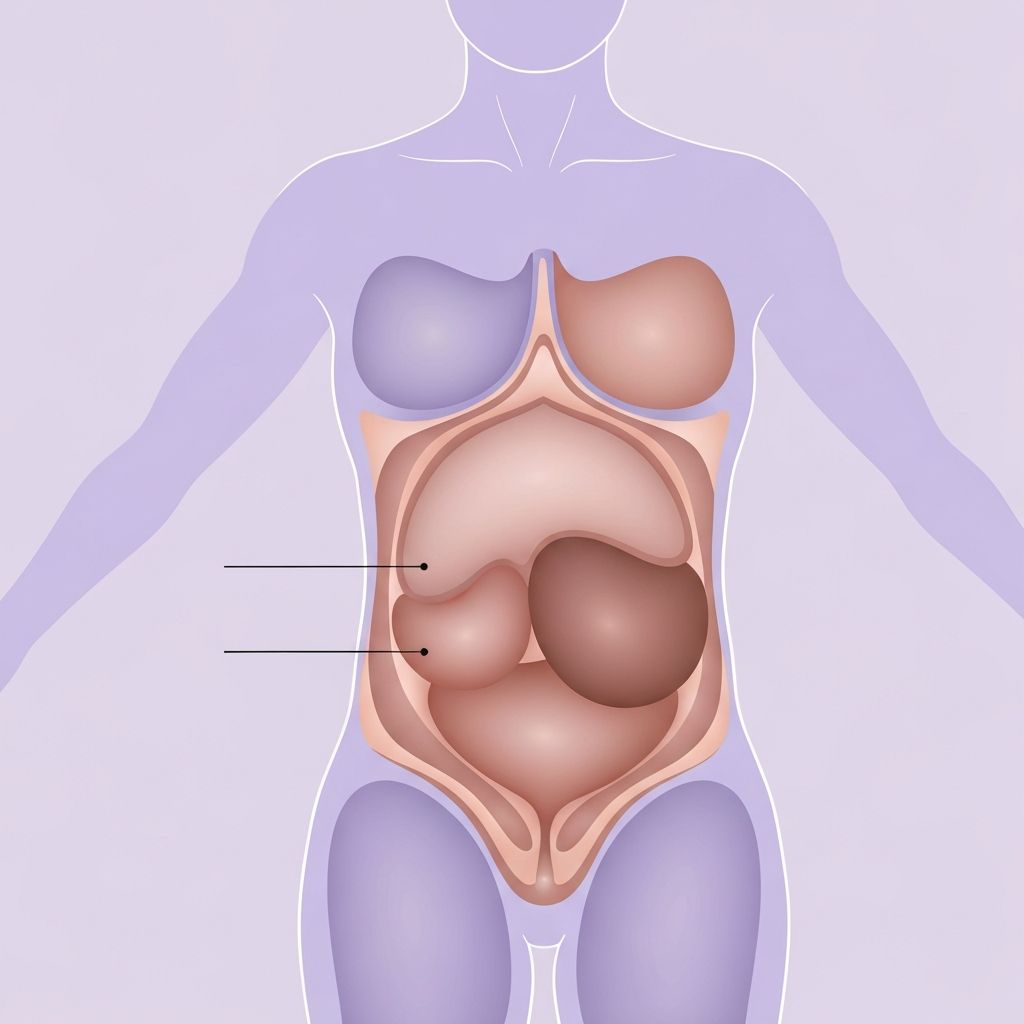
Adaptive Thermogenesis During Ageing
Understand metabolic adaptation, energy conservation mechanisms in aging, and the physiological responses to sustained energy deficit in women after 50.
Read the article
Longitudinal Changes in Body Composition After 50
Review cohort study summaries tracking women over decades, patterns of weight and fat distribution changes, and individual variability in midlife metabolic trajectories.
Read the article